
 English
 Spanish
 French
 Arabic
 Ukrainian
 Portuguese
 German
 Italian
 Russian
 Dutch
Dutch
Unmatched Efficiency,
Unrivaled Illumination.
Learn More About Our Eco-Friendly LED Lighting Products.
Choose an Option Below!


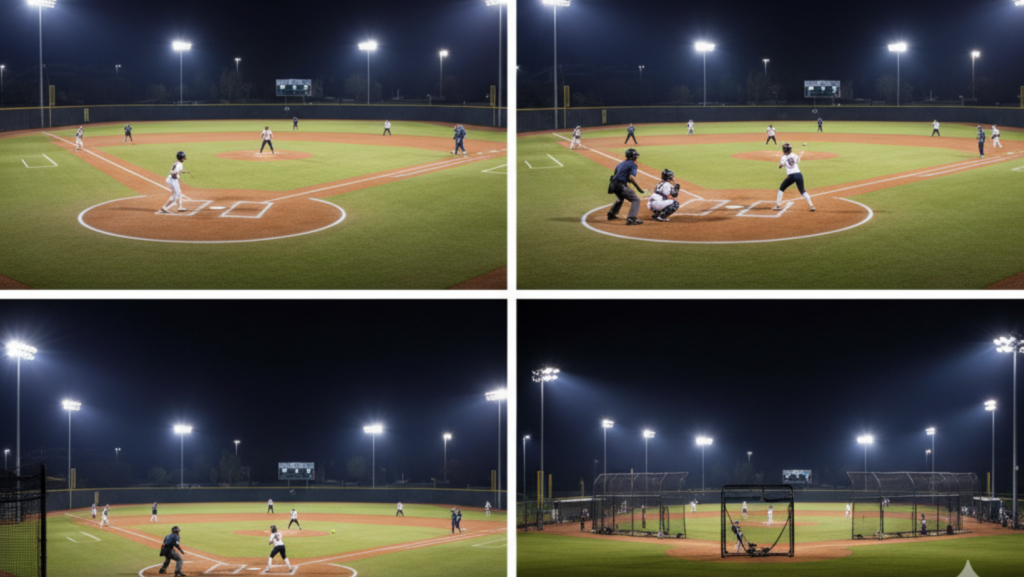
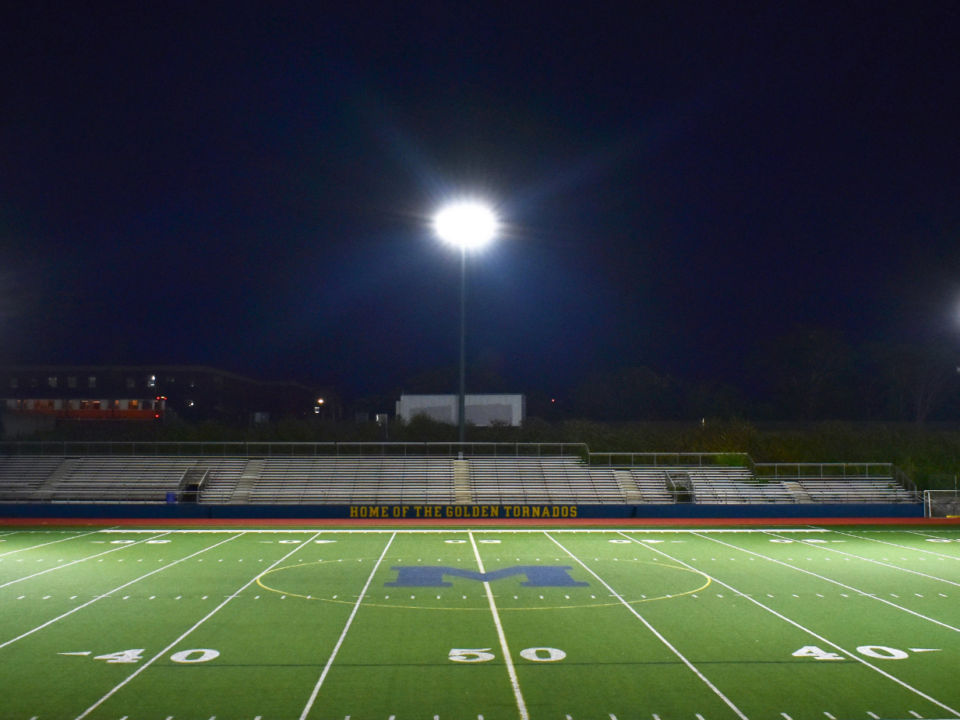
For decades, night games were the exception. A handful of Friday nights. A playoff here and there. Maybe a summer tournament that ran a little late.
As we head into 2026, that model no longer holds.
Schools, parks, and private sports complexes are scheduling more practices, more games, and more events after dark than ever before. Not because it’s trendy, but because it’s quickly becoming the only way to meet demand, protect athletes, and keep facilities operating efficiently.
For many organizations, lighting is now the deciding factor in whether those added night hours become a true advantage… or an ongoing problem.
Daytime hours are increasingly difficult to use effectively due to heat-management constraints. Coaches, administrators, and parents are now more cautious about pushing athletes during the hottest parts of the afternoon, especially in summer and fall.
Practices and games are now often scheduled in the early morning or late evening nationwide, not just in hot regions.
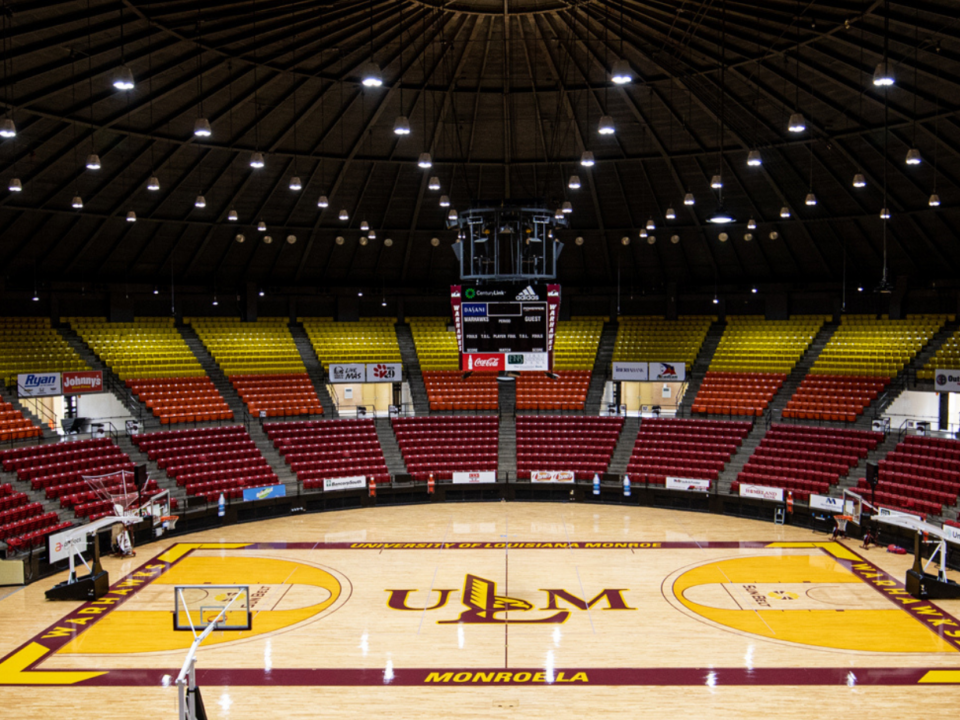
At the same time, the after-school hours are busier than ever. Varsity teams, JV programs, youth leagues, camps, and community groups all compete for the same fields and gyms from around 3:00 to 7:00 p.m. When multiple programs use the same facilities, the only way to increase capacity without constructing new fields is to extend operating hours.
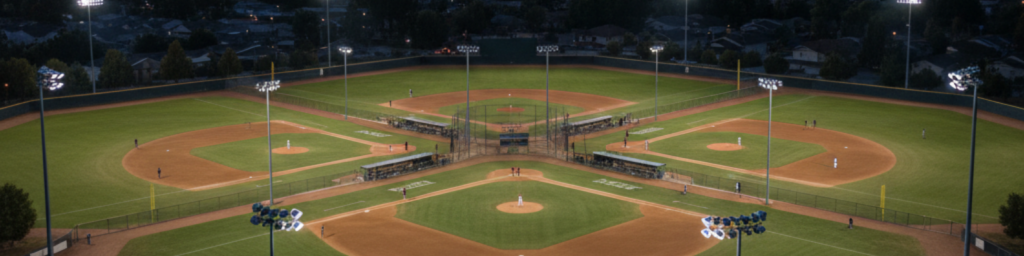
Many facilities “have lights,” but these systems were often not designed for regular nighttime use. Lighting installed years ago was usually sized for occasional evening events. As night play becomes routine, limitations soon appear.
Players have difficulty tracking the ball in specific areas. Officials observe glare or inconsistent visibility. Spectators voice concerns about sightlines. Coaches notice a decline in practice quality after sunset. Neighbors start to raise worries about light spilling beyond the field.
Operating costs also increase. Relying solely on full output when the lights are on spikes energy consumption. Scheduling maintenance becomes more complicated as fields are booked later into the evening.
What was once “good enough” now feels limiting, as lighting shifts from background to a key operational constraint.
Great lighting creates a warm and inviting atmosphere by maintaining consistency, control, and comfort. Ensuring uniform coverage, especially after dark, helps balance the contrast between lit and unlit areas, making the space feel more welcoming.
Glare control is vital as athletes’ eyes adjust between the field and darkness. Vertical illumination, or how well players, officials, and cameras see moving objects, is as important as light on the field.
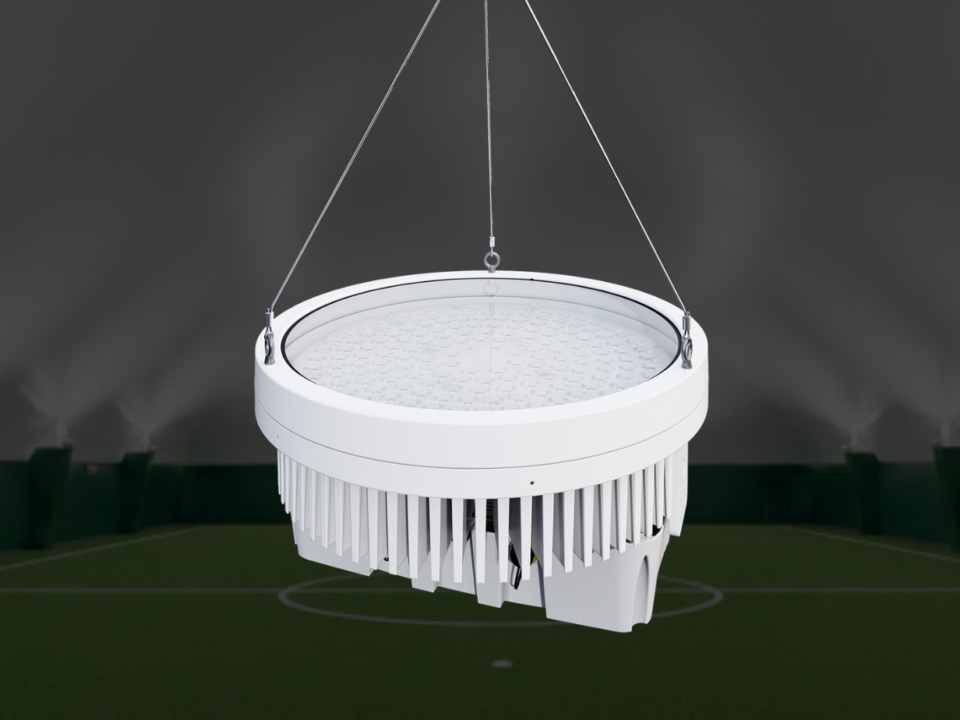
Flexibility is critical because different activities require different lighting; for example, a varsity game doesn’t need the same lighting level as a youth practice. Camps, training sessions, and maintenance can benefit from using lower settings as they help save energy and reduce system wear.
Many older systems struggle with this, but understanding it can make a significant difference.
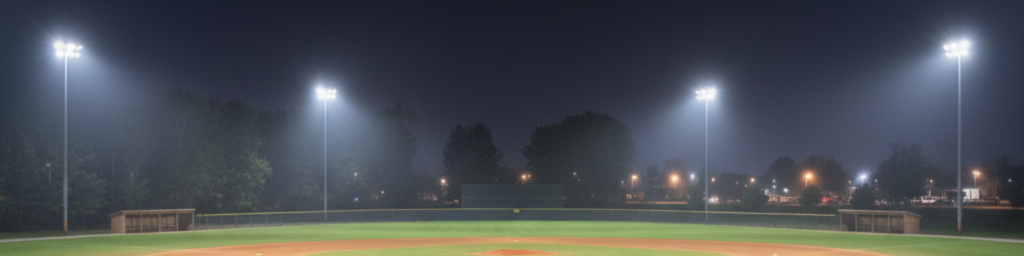
When lighting is designed for regular night use, the schedule opens up and facilities gain flexibility. Games don’t have to be rushed; weather delays are easier to manage; fields can be booked back-to-back without sacrificing visibility or comfort; tournaments run more smoothly; and rentals are easier to sell.
In many cases, better lighting translates directly into more usable hours and higher revenue, without adding new fields or buildings. That’s why many upgrades deliver returns faster than expected, not only through energy savings, but through increased utilization.
Facilities that face challenges with evening schedules often show similar warning signs. These include uneven lighting across the field, increased glare after sunset, limited options to adjust light levels for various activities, rising operating costs, and growing concerns among nearby residents.
When several of these issues appear together, it’s usually because the lighting system was never intended to support this level of use.
A sports field lighting upgrade varies based on usage, not just size. Factors include field count, dimensions, and the number of operators who operate at night.
Existing poles and infrastructure can sometimes be reused to help manage budgets, but they must be evaluated for spacing, height, and structural capacity. Performance expectations also vary widely between recreational play and varsity or broadcast-level events.
Controls are crucial for energy use, costs, and system longevity. Successful upgrades rely on designs that match actual scheduling needs, not assumptions.
If your facility is already feeling pressure to schedule later, there are two fast ways to gain clarity. Together, these tools turn a general concern, “We’re using the field later and later,” into real numbers and real options.
Sports facilities aren’t rescheduling games for convenience. They’re doing it because heat safety, shared use, and packed schedules leave them no other choice.
As 2026 approaches, the real question isn’t whether night use will increase. It’s about whether your lighting system is ready to support it safely, efficiently, and without limiting your facility’s operations.
If night play is becoming part of your routine, check if your lighting supports or hinders you. A free layout shows possibilities, and a cost estimate helps plan before lighting forces you to turn away from games. Reach out now!
Learn More About Our Eco-Friendly LED Lighting Products.
Choose an Option Below!